The European funding ecosystem is vast. With new calls from Horizon Europe, LIFE, Interreg, Erasmus+, and dozens of national and Nordic programs appearing monthly, it’s easy to fall into grant FOMO—the fear of missing out on funding.
But here's the truth: chasing every opportunity quickly leads to burnout and disappointment.
Winning grants isn't just about writing; it’s about choosing wisely. In this article, we’ll help you develop a practical framework to decide which opportunities are worth your time—and which to leave behind.
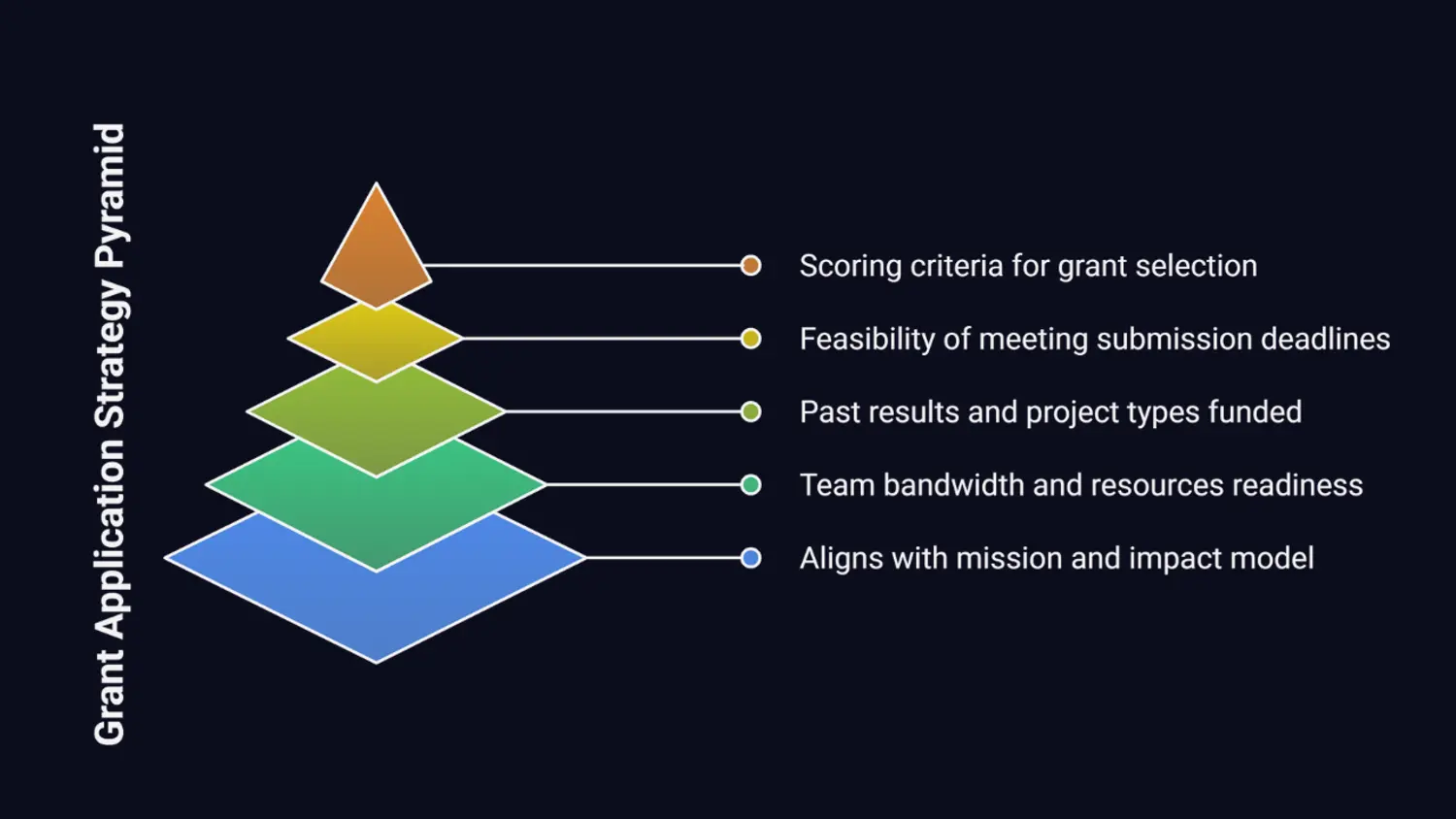
Ask: Does this call align with our mission and impact model?
If a funding opportunity requires you to contort your project to “make it fit,” you’ve already lost points. Funders want alignment, not acrobatics.
Checklist:
Quick Rule: If it takes more than 30% rewriting of your standard concept note, it’s probably not a fit.
Many great applications fail because the team simply doesn’t have the bandwidth.
Questions to ask:
If the answer is no, consider deferring to a later call or partnering with someone who does have the capacity.
Not all grants are equally competitive—or equally worthwhile.
Research:
Pro tip: ENFA members get access to funding briefings that include success rates, typical award sizes, and insights from past grantees.
Is the call due in two weeks and requires five signed MoUs, a budget narrative, and a 40-page technical plan?
Be honest: Can you submit something competitive on time?
If not, archive the call and prep for the next cycle—many EU programs run on multi-year timelines.
Build a simple table with scoring criteria like:
Only pursue grants that score above a certain threshold (e.g., 16/20). It saves time, and your sanity.
You don’t need to apply for more grants—you need to apply for the right ones. Organizations that focus, prepare, and build funder-aligned proposals are the ones that get funded again and again.
ENFA offers funding strategy sessions, access to past funded applications, and curated grant alerts based on your profile.
👉 Join ENFA and start making smarter, faster funding decisions that lead to actual results.

